|
|
|
|


|
|
Medical Pharmacology Chapter 35 Antibacterial Drugs
|
|
|
|
|
|
Third Generation Cephalosporins in More Detail
Cefotaxime Therapeutic Uses (Continued)
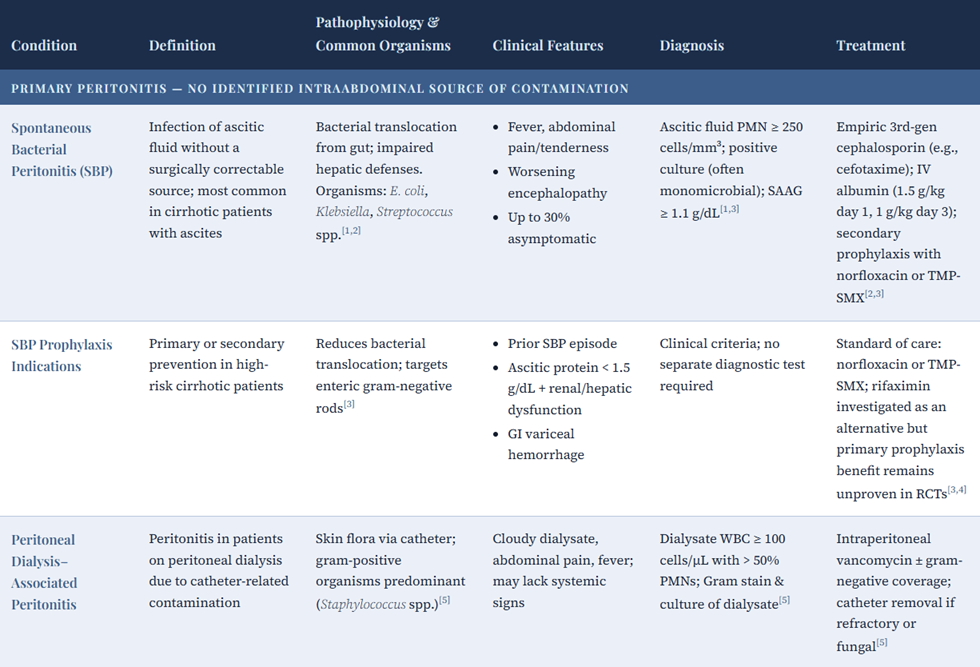
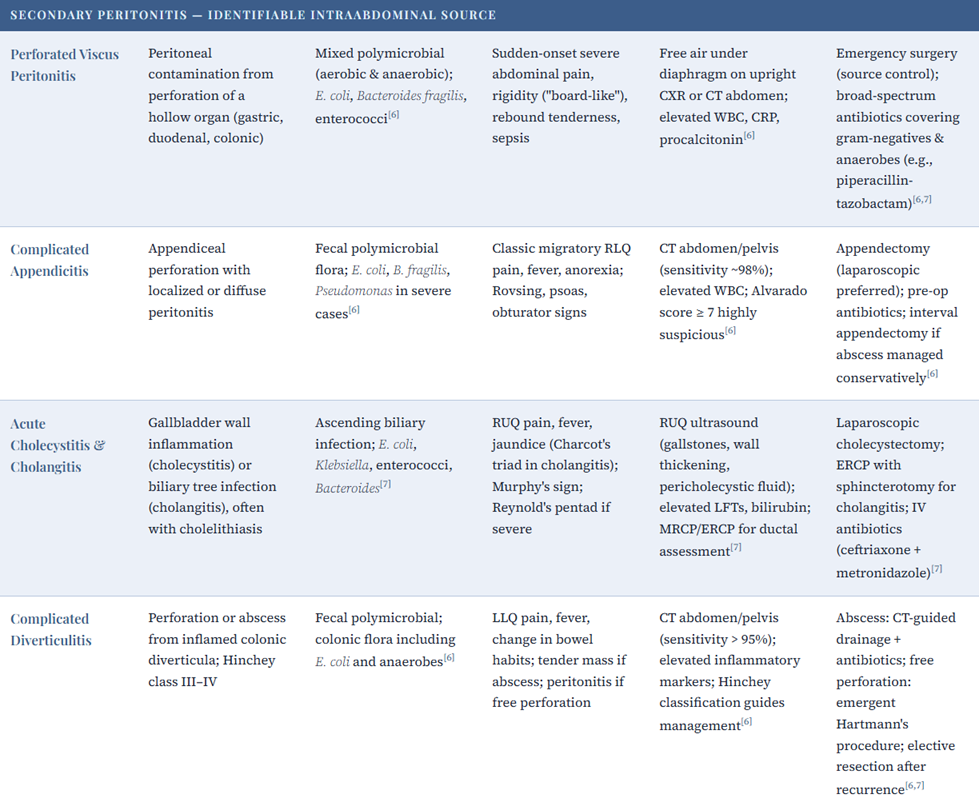
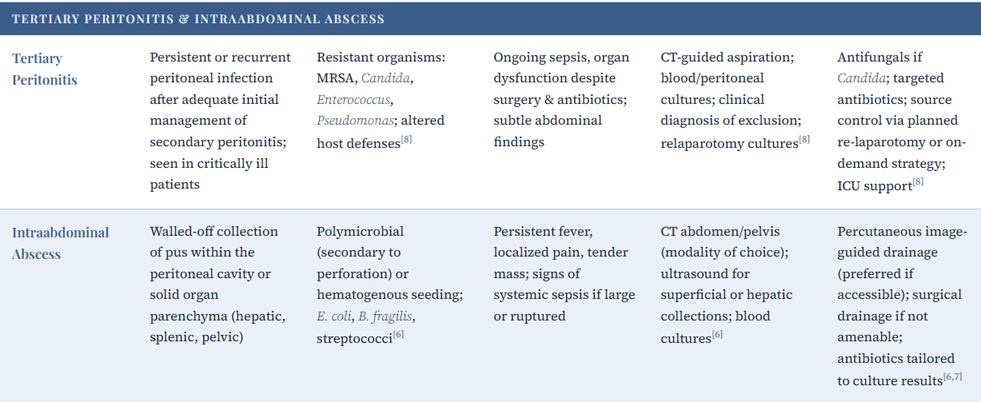
In perforated appendicitis, diverticulitis with abscess, or secondary peritonitis without severe sepsis or high ESBL risk, cefotaxime plus metronidazole is an effective combination which targets Enterobacterales and anaerobes respectively.
SBP is typically on monomicrobial infection due to enteric-type bacteria such as Escherichia coli, Klebsiella pneumoniae, and Enterococcus faecalis.
Guidelines for Spontaneous Bacterial Peritonitis (SBP) and other intra‑abdominal infections identify cefotaxime as a standard third‑generation cephalosporin option, especially in community‑acquired settings.6,7,8,9
 |
 |
 |
|
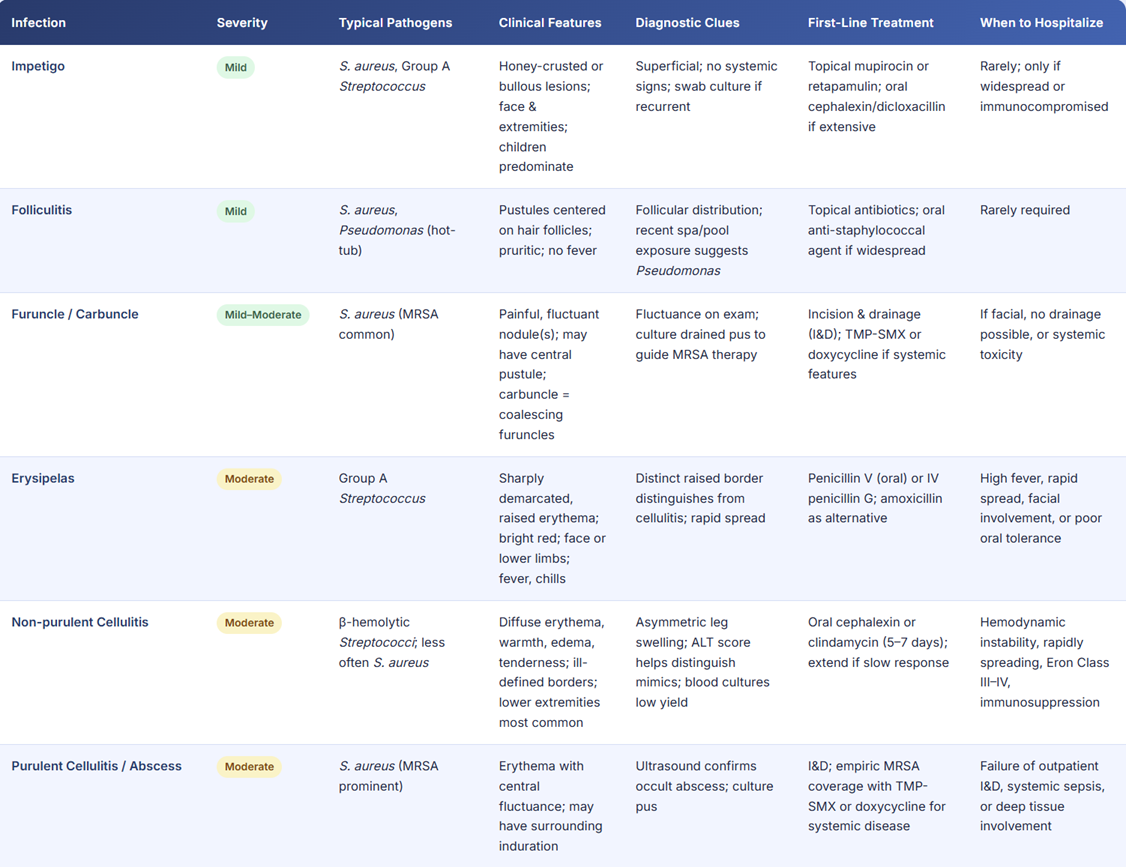
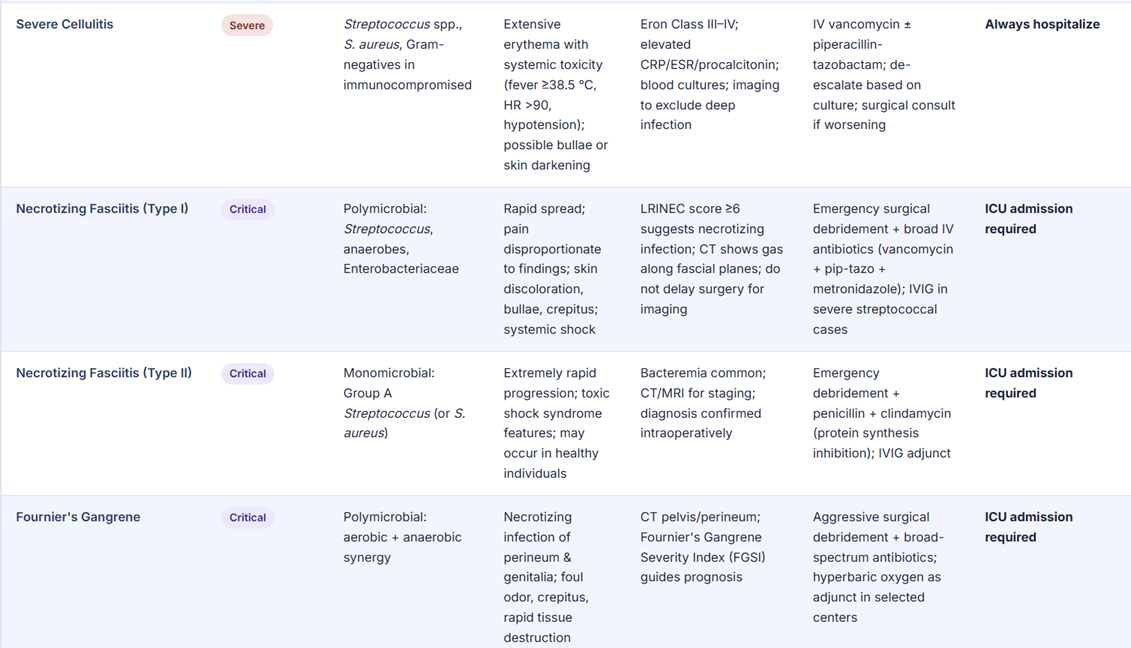
Skin and soft‑tissue infections8,10
Cefotaxime can be used for moderate to severe cellulitis or soft‑tissue infections when streptococci and some staphylococci are implicated, particularly if a Gram‑negative component is suspected post‑surgery or in diabetics.
For pure MSSA infections, narrower agents such as cefazolin are preferred, but cefotaxime is useful when broader coverage is needed while cultures are pending.
 |
 |
|
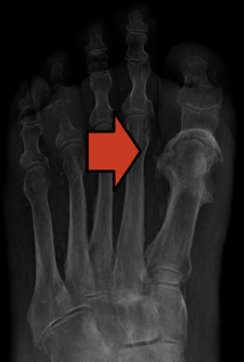
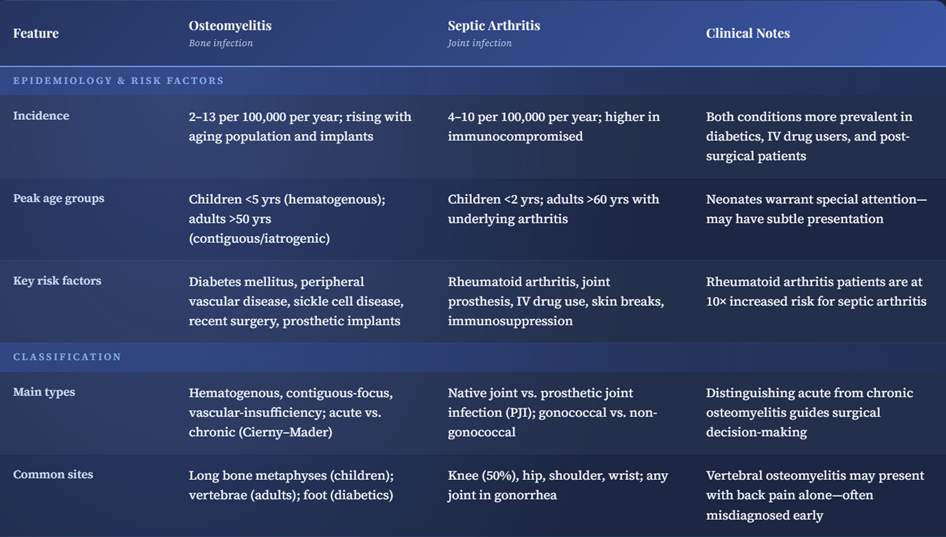
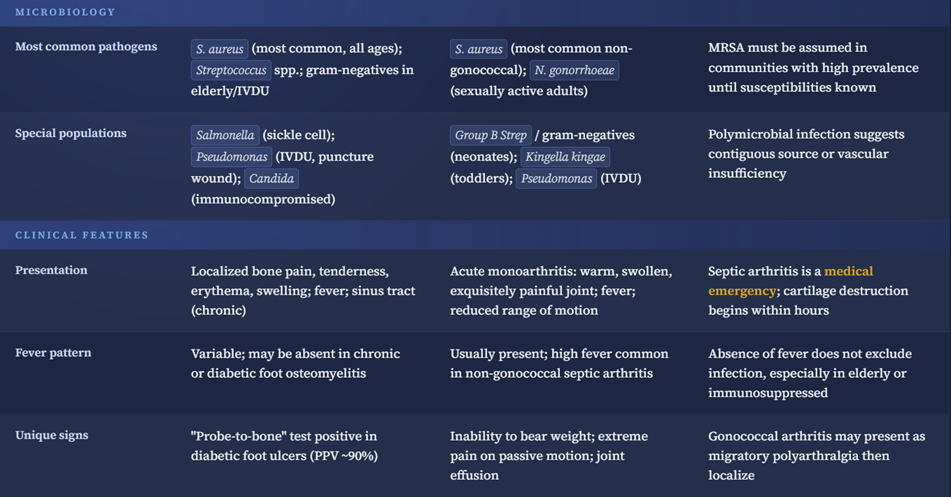
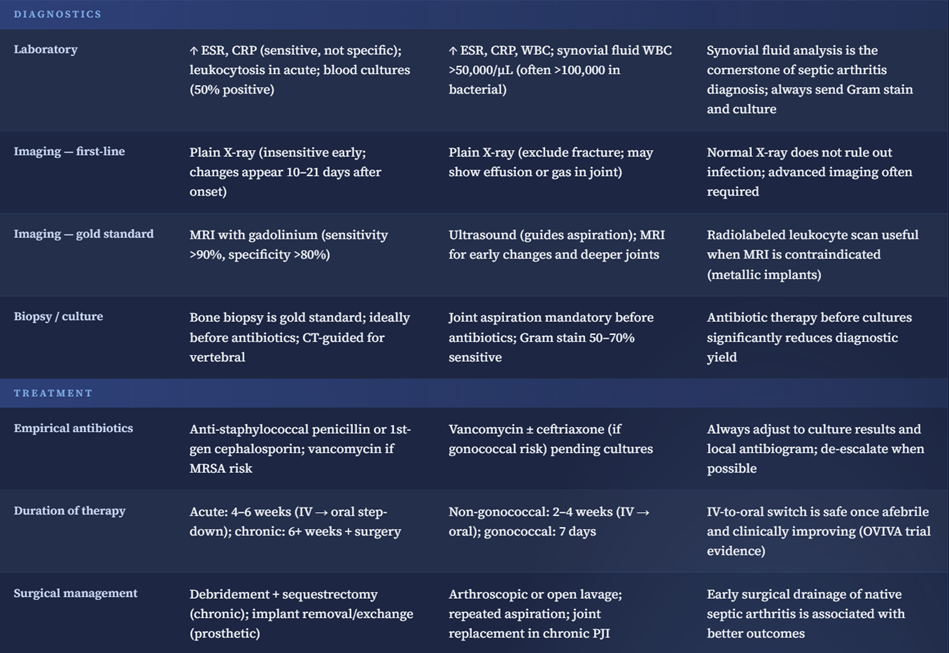
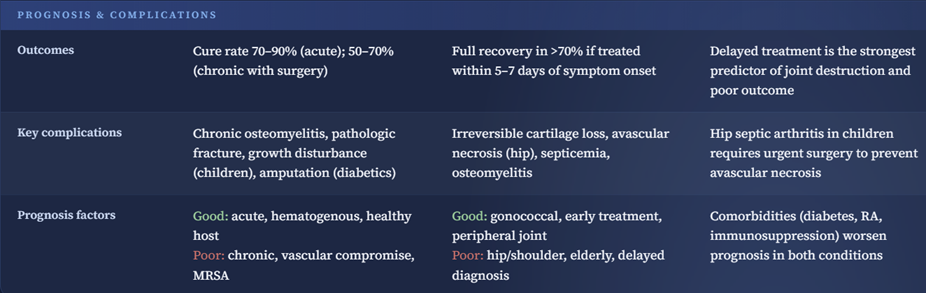
In osteomyelitis or septic arthritis caused by susceptible streptococci or Gram‑negative bacilli, cefotaxime achieves therapeutic bone and synovial levels and is often part of combination therapy.
 |
|
 |
|
Cefuroxime is commonly selected when polymicrobial infections or Gram‑negative coverage are concerns, with targeted agents added for staphylococci or anaerobes as indicated.
 |
 |
 |
 |
|
Gynecologic and Pelvic Infections8,10,11,12,13
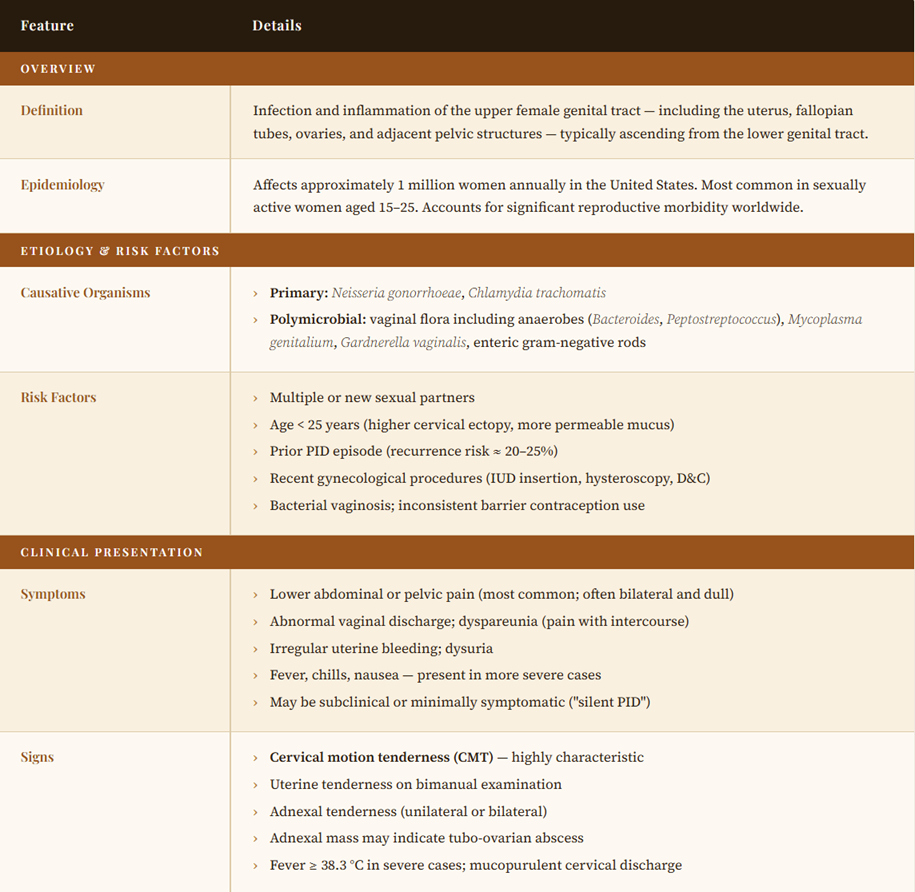
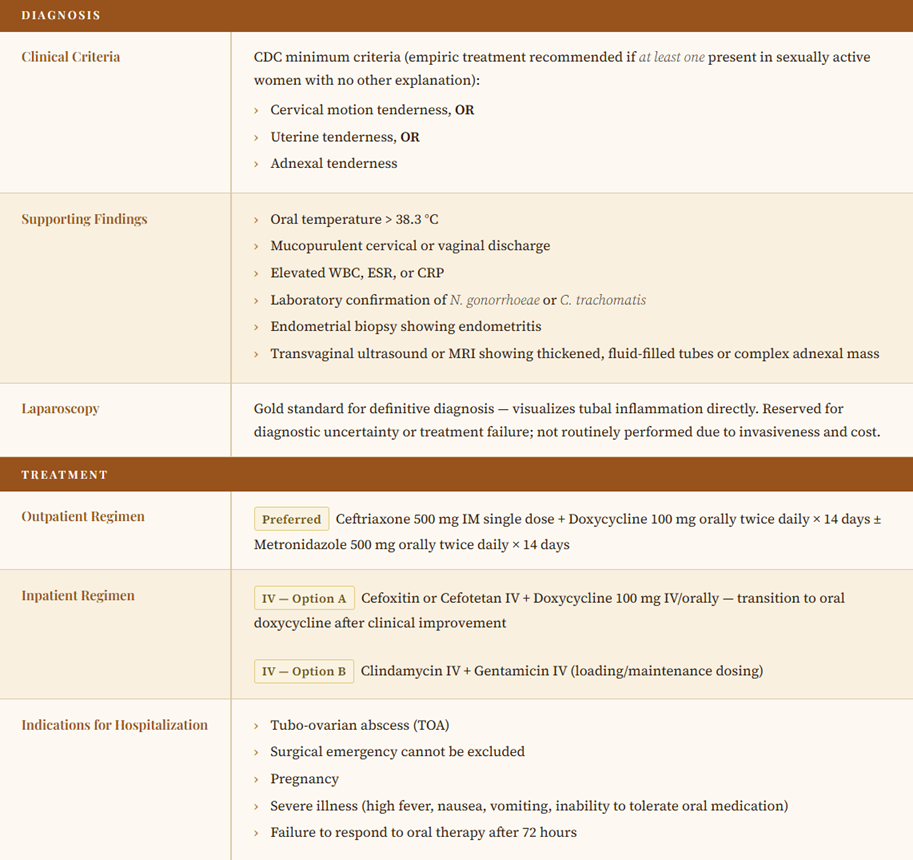
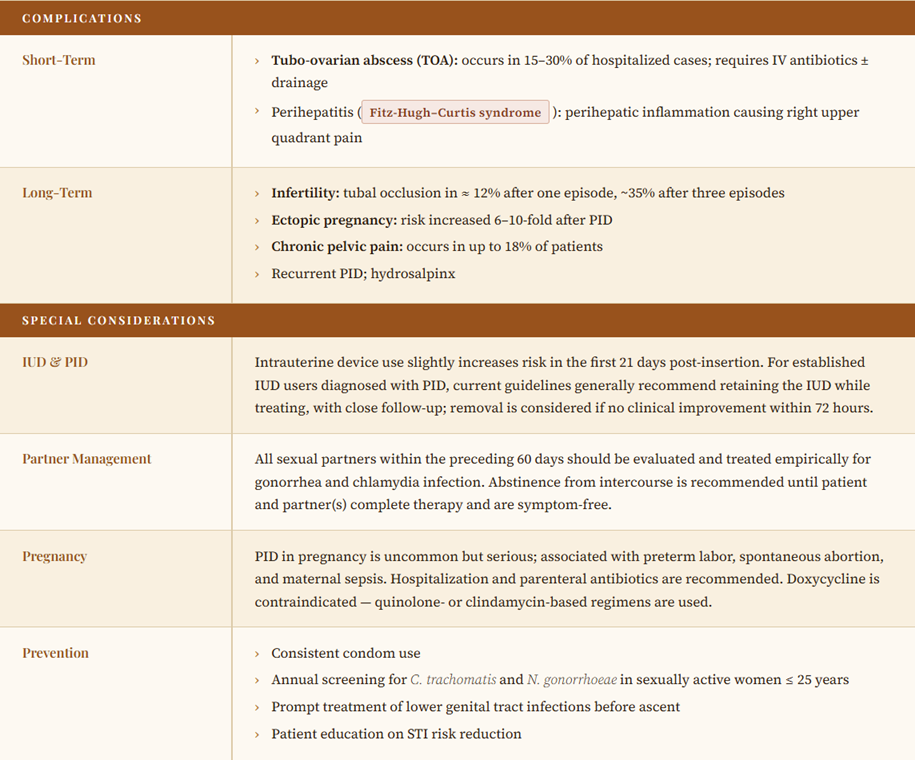
Cefotaxime has been used in pelvic inflammatory disease and postpartum endometritis to cover Gram‑negative rods and streptococci.
Other more current regimens based on ceftriaxone is often recommended, as describe in references 12,13 and in the table below.
Cefuroxime was often combined with metronidazole and doxycycline (or azithromycin) targeting anaerobes and Chlamydia trachomatis.
Such multi‑drug approaches take into account the polymicrobial character of upper genital tract infections.
 |
 |
 |
|
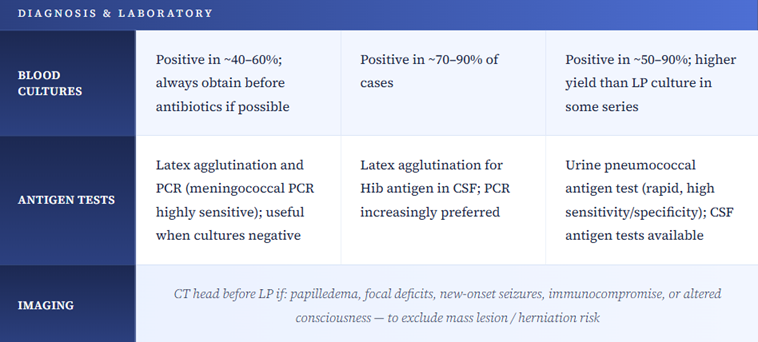
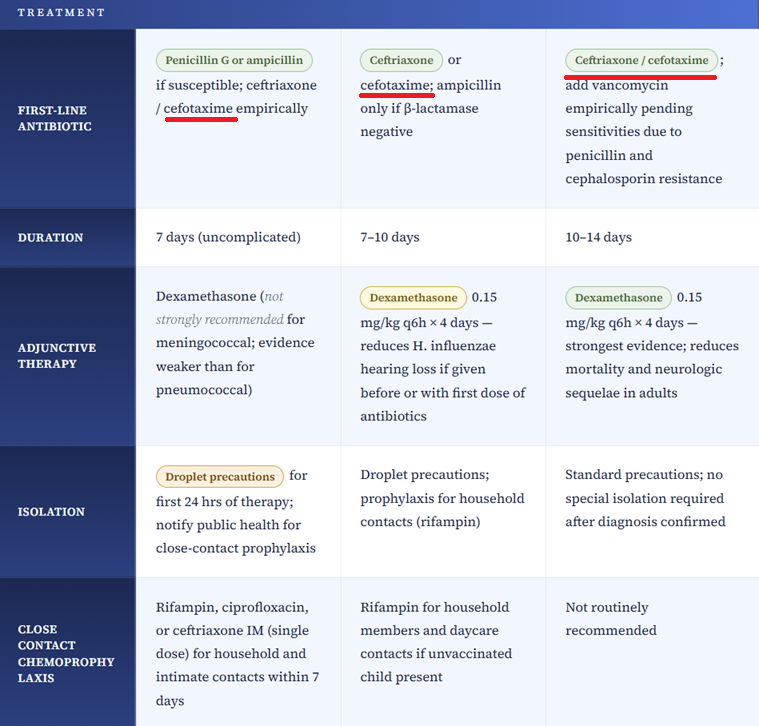
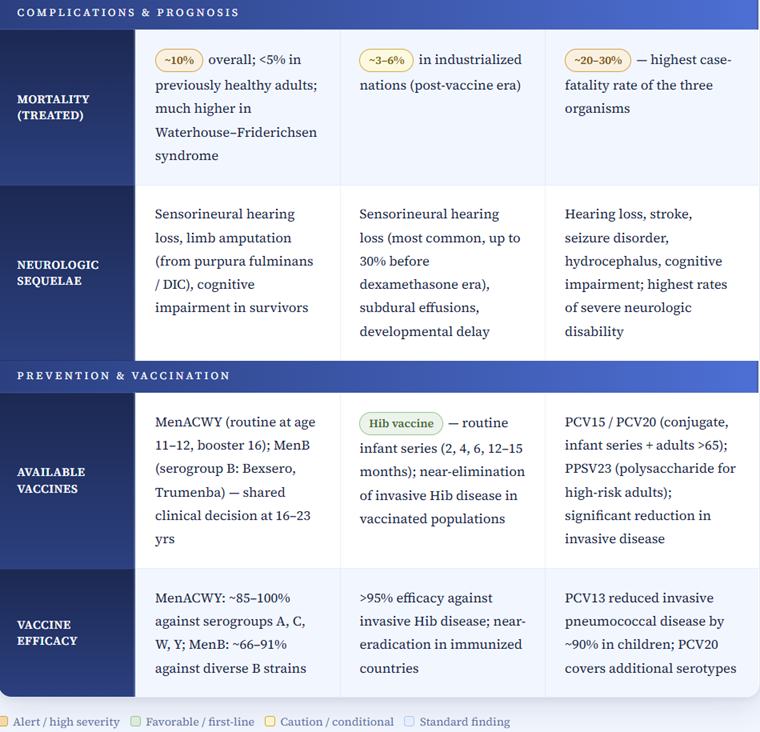
Bacterial Meningitis5,15,16,17
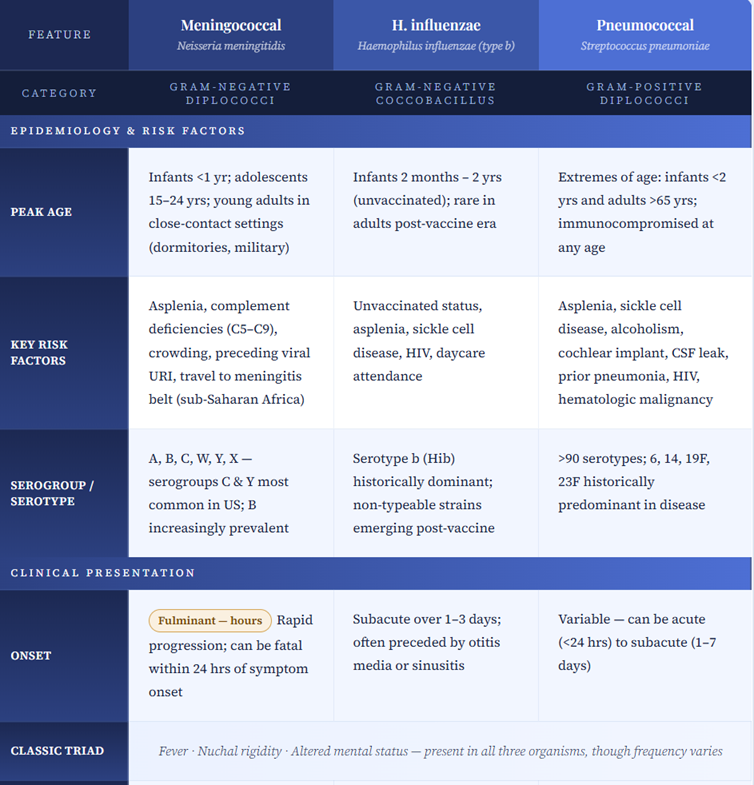
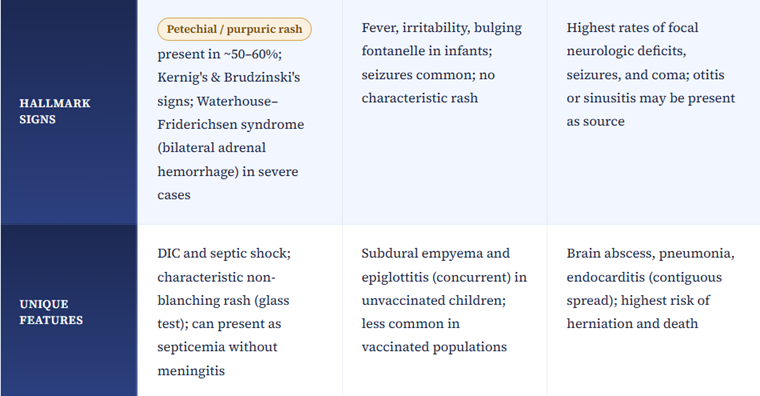
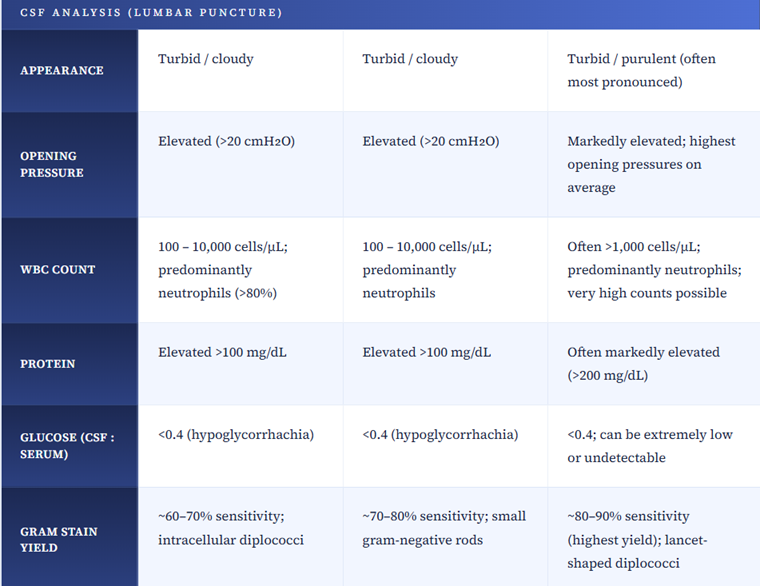
Cefotaxime is a first‑line agent in neonatal and pediatric meningitis due to N. meningitidis, H. influenzae, and S. pneumoniae, and is also used in adults.
Cefotaxime readily penetrates the CSF and exhibits bactericidal levels at 50 mg/kg q6h.
Ceftriaxone is often used, representing a simpler alternative to cefotaxime in managing meningitis due to organisms other than Listeria monocytogenes and fecal streptococci (15).
 |
 |
 |
 |
 |
 |
|
February, 2026
|
|
|
|
|
|
|
|
This Web-based pharmacology and disease-based integrated teaching site is based on reference materials, that are believed reliable and consistent with standards accepted at the time of development. Possibility of human error and on-going research and development in medical sciences do not allow assurance that the information contained herein is in every respect accurate or complete. Users should confirm the information contained herein with other sources. This site should only be considered as a teaching aid for undergraduate and graduate biomedical education and is intended only as a teaching site. Information contained here should not be used for patient management and should not be used as a substitute for consultation with practicing medical professionals. Users of this website should check the product information sheet included in the package of any drug they plan to administer to be certain that the information contained in this site is accurate and that changes have not been made in the recommended dose or in the contraindications for administration. Advertisements that appear on this site are not reviewed for content accuracy and it is the responsibility of users of this website to make individual assessments concerning this information. Medical or other information thus obtained should not be used as a substitute for consultation with practicing medical or scientific or other professionals. |