|
|
|


|
|
|
|
Medical Pharmacology Chapter 11: Drugs Used in Treating Hyperlipidemia
|
|
|
|
|
|
|
Hyperlipoproteinemia Pathophysiology |
Pharmacological Management of Hyperlipidemia
|
Human plasma lipids are transported as protein complexes, lipoproteins
Abnormally high levels of any lipoproteins species are called:
Hyperlipoproteinemias
Hyperlipidemias
Hyperlipemia (refers to elevated triglyceride levels only)
Hyperlipidemias: Major clinical consequences
 >
50% of coronary heart
disease (CHD) in United
States is due to abnormal
lipoprotein and plasma
lipid levels/metabolism
>
50% of coronary heart
disease (CHD) in United
States is due to abnormal
lipoprotein and plasma
lipid levels/metabolism
Usually elevated lipoprotein inpatients with CHD results from (in the context of some degree of genetic predisposition):
Excess body weight
Sedentary lifestyle
Diets high in saturated and total fat
Acute pancreatitis (associate with hyperlipidemia)
Lipoprotein: Classification: based on densities there are 5 classes:
Chylomicrons
Very low-density lipoproteins VLDL
Intermediate density lipoproteins IDL
Low-density lipoproteins LDL
High-density lipoproteins HDL
Plasma proteins in atherogenesis
Two forms of Apo B, apolipoprotein responsible for cholesterol transported to artery wall
|
|
|
Component: foam cells --macrophages and smooth muscle cells, filled with cholesteryl esters
Factors promoting atherosclerosis development
Lipoprotein glycation (associated poorly controlled diabetes) promotes foam cell development
Arterial hypertension
Blood pressure control may be useful in prevention stroke/and coronary artery disease
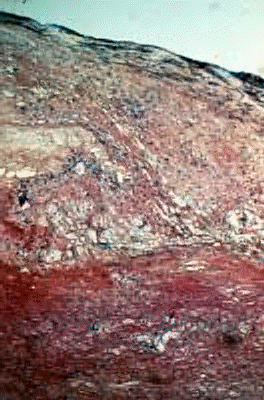
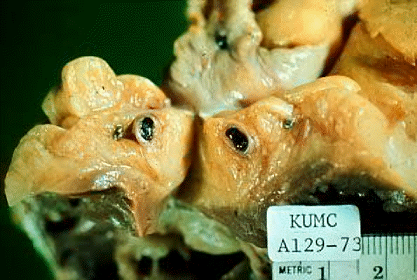
Atheromatous plaque properties
Growth over time (increased foam cell number; collagen and fibrin accumulation)
Lesion calcification may occur
Symptoms due to coronary artery disease may occur abruptly-- sequence:
Endothelial cell rupture over active plaques
Then platelet activation followed by:
Thrombus formation (occlusive thrombosis)
|
|
|
High-density lipoproteins (HDL) and atherogenesis
Antiantherogenic characteristics:
Remove cholesterol from artery wall
Reduce atherogenic lipoprotein oxidation
Low HDL levels: independent CHD risk factor
Atherogenic lipoprotein impairment of coronary arteriole dilation (mediated by nitric oxide)
Cigarette smoking and Coronary Heart Disease
Risk factor for CHD
Associated with:
Decreased HDL levels
Less effective cholesterol retrieval
Endothelial cytotoxicity
Enhanced atherogenic lipoproteins oxidation
Increased thrombogenesis
Primary Reference: Malloy, M. J, and Kane, J. P., Agents Used in Hyperlipidemia, in Basic and Clinical Pharmacology, (Katzung, B. G., ed) Appleton-Lange, 1998, pp 563-577.
Primary Reference: Ginsberg, H. N and Goldberg, I. J. Disorders of Intermediary Metabolism: Disorders of Lipoprotein Metabolism, In Harrison's Principles of Internal Medicine 14th edition, (Isselbacher, K.J., Braunwald, E., Wilson, J.D., Martin, J.B., Fauci, A.S. and Kasper, D.L., eds) McGraw-Hill, Inc (Health Professions Division), 1998, pp 2138-2149.
"Dr. Melissa Stiles interviews Dr. Patrick McBride about the NCEP Adult Treatment Panel III Cholesterol Guidelines." (2007), https://www.youtube.com/watch?v=jSYVkSq1Vis .
"Dr. Melissa Stiles interviews Dr. Patrick McBride about the NCEP Adult Treatment Panel III Cholesterol Guidelines." (2007), https://www.youtube.com/watch?v=UYO3Gdg4Vyw .
|
|
|
|
|
|
|
DISCLAIMER
|